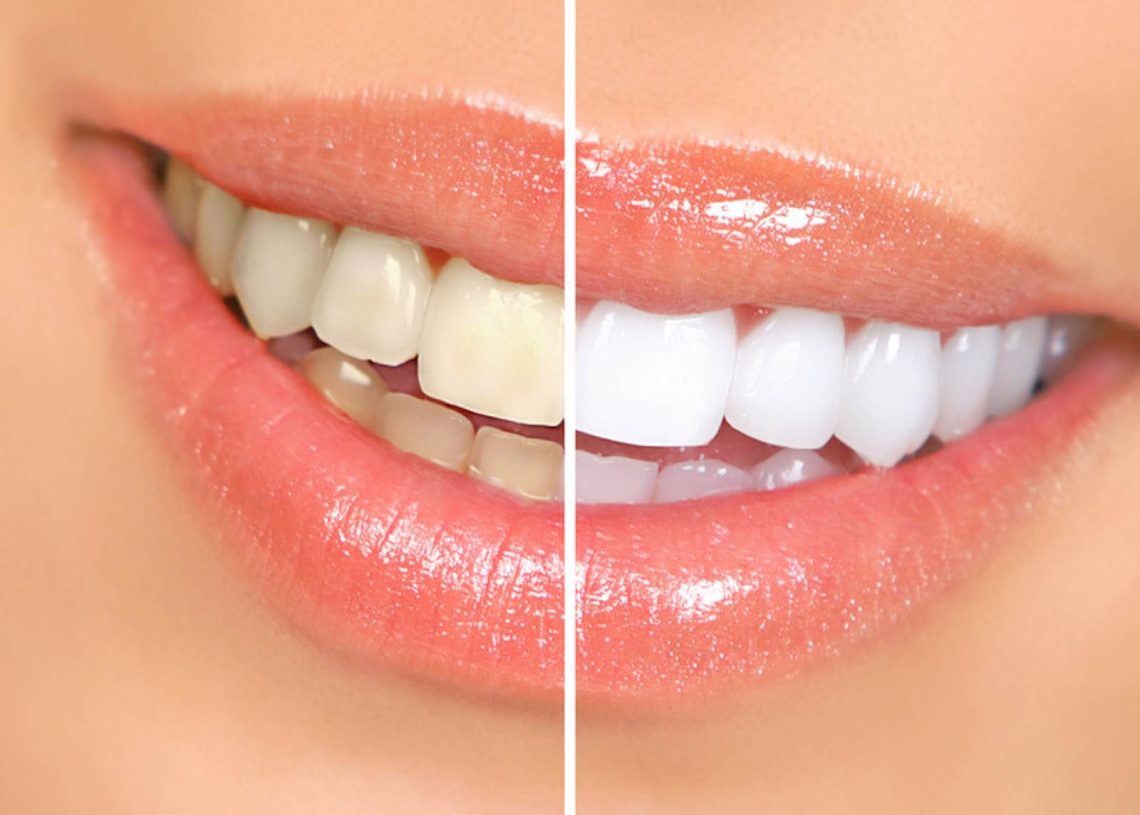
Everyone wants to achieve a Hollywood-white smile, but some tooth whitening products can erode your tooth enamel. The safest way to whiten your teeth will always be to visit an expert dentist with specialist knowledge of tooth whitening procedures (like us for example), but this won’t be an option for everyone.
That’s why, in this article, we will explore which options are best for teeth whitening, and outline how you can whiten your teeth from home without damaging your enamel.
How Tooth Whitening Products Work
Most whitening products use hydrogen peroxide or carbamide peroxide as the active ingredient. These compounds break down, releasing oxygen that penetrates the enamel and bleaches discoloured molecules, resulting in a whitening effect.
While all these chemicals cause chemical abrasion, some are more damaging than others.
Best Teeth Whitening Gels & Products (Quick Picks)
Whitening Toothpastes
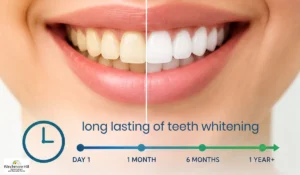
Whitening toothpastes remove surface stains using mild abrasives. Some also contain low concentrations of hydrogen peroxide or carbamide peroxide. These may be effective at creating a brightening effect; however, they may not alter the colour of the tooth, as beneath the brightness the teeth can continue to be yellowed in the long term.
Research Findings:
- A 2018 study found that whitening toothpastes can reduce stains on the outer layer of the enamel, but results may vary according to the toothpaste’s formulation.
- Toothpastes with blue covarine can appear to make teeth appear whiter temporarily, using a blue dye to create an optical illusion. However, this effect may not last over time.
Best Picks:
- Colgate Optic White: Contains hydrogen peroxide and silica, which is effective for surface stain removal. However, it does not penetrate deeper layers of the tooth, causing the effect to wear off over time.
- Crest 3D White: Also uses Hydrogen Peroxide and Pyrophosphate, which is effective for removing surface stains. However, like Colgate Optic white, this effect is not permanent, making it necessary to use this product long-term.
Whitening Strips
Whitening strips are popular for their ease of use and effectiveness, but are known to cause damage to tooth enamel due to their abrasive effect. They typically contain 6-10% hydrogen peroxide.
Research Findings:
- A study in the Journal of Dentistry found that whitening strips significantly whiten teeth over a two-week period compared to a placebo.
- Strips have been shown to be safe for enamel when used as directed. However, overuse can lead to sensitivity, making them unsuitable for long-term use.
Best Picks:
- Crest 3D White Whitestrips: Crest 3D White Whitestrips are consistently highly rated for their effectiveness and are comfortable to apply, making them a popular option for consumers.
- Crest Professional Effects: Provides noticeable results in three days, with full results in 20 days.
Whitening Gels And Trays
These methods use higher concentrations of peroxide and can produce dramatic results. Trays ensure even coverage, which provides a consistent whitening effect across the full jaw.
Research Findings:
- Studies indicate that custom-fitted trays with carbamide peroxide are effective and can improve shade significantly within two weeks, fitting the unique toothprint of each customer.
- Gels with 10-15% carbamide peroxide are generally considered safe for home use.
Best Picks:
- Opalescence PF Whitening Gel: Available in multiple flavours and concentrations, largely comfortable for most consumers and suitable for sensitive teeth.
- Auraglow Teeth Whitening Kit: The Auraglow Teeth Whitening Kit delivers professional-quality whitening, using an LED light and custom trays.
LED Light Kits
LED light kits use a combination of whitening gel and blue LED light, which accelerates the breakdown of the peroxide, which enhances the whitening effect overall according to customer accounts. However, LED lightening is not clinically proven.
Read more about High-quality whitening products and research taken at University of Colorado, School of Dental Medicine on safety and efficacy of tooth whitening regimens.
Research Findings:
- Some studies suggest that LED light can enhance the whitening effect of peroxide gels, but the results are inconclusive.
- A 2019 review concluded that while LED lights may speed up the whitening process, however, the overall difference in shade improvement is minimal compared to gel alone.
Best Picks:
- Snow Teeth Whitening Kit: The Snow Teeth Whitening Kit is widely popular for its effectiveness and gentle formula.
- HiSmile Teeth Whitening Kit: The HiSmile Whitening Kit contains a lower peroxide concentration, making it suitable for sensitive teeth.
The Safety Considerations Of Tooth Whitening:
While tooth whitening is generally safe, overuse can lead to:
- Tooth Sensitivity: Overuse of whitening products can cause increased sensitivity
- Gum Irritation: Peroxide can irritate soft tissues if it comes in prolonged contact
- Enamel Damage: High concentrations of peroxide – or abrasive toothpastes – can weaken enamel if overused
Tips For Safe Tooth Whitening:
- Follow the product’s instructions carefully
- Use products with the ADA Seal of Acceptance, indicating safety and efficacy
- Avoid acidic or heavily pigmented foods and drinks post-treatment to maintain results
The Right Approach To Whiter Teeth
Selecting the best tooth whitening product depends on your individual needs and preferences. Whitening strips and gels offer effective results for most users, while LED kits may enhance the effects of the whitening product.
If you are concerned about using whitening products on your teeth for any reason, always consult with your dentist before using the product or discover our dentist-led Teeth Whitening solutions for a Hollywood smile without the risk.