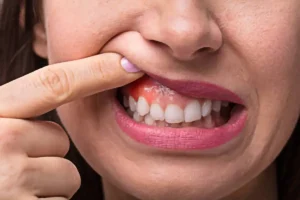

Yes, a toothache can trigger a headache. In some cases, the head pain ends up being the bigger problem.
The reason is nerve overlap. Your teeth and most of your face share the same main pathway the trigeminal nerve. When a tooth gets irritated, your brain doesn’t always keep that signal neatly contained. It spreads, and your head picks it up.
You might feel it as pressure in your temple. Or behind your eye. Sometimes it creeps across one whole side of your head and you stop thinking about the tooth altogether.
Why a toothache turns into a headache
Pain doesn’t stay local in the mouth. It travels.
Nerve signals don’t stay in one place
Each tooth connects into a wider network. Upper teeth often send pain upward toward your temples or eyes. Lower teeth can push it toward your jaw and even your ear.
That’s why a small issue in one tooth can feel way bigger than it actually is.
Pressure inside the tooth builds
An infected tooth doesn’t just hurt. It builds pressure.
That pressure pulses. You’ll feel it in sync with your heartbeat sometimes. Lie down and it gets worse because blood flow shifts toward your head.
At that point, the headache isn’t separate anymore. It’s part of the same problem.
You start clenching without noticing
You avoid chewing on one side and tighten your jaw without thinking.
Hours pass like that.
Now your jaw muscles are sore. That tension climbs upward into your temples and turns into a proper tension headache.
The tooth started it. Your muscles made it worse.
Upper teeth and sinuses overlap
Upper molars sit close to your sinuses. Close enough that inflammation in one can feel like pressure in the other.
So you end up with what feels like a sinus headache, but the source is actually a tooth.
What it actually feels like
This is where people get confused.
You might notice:
- Pain sitting behind one eye
- A headache that sticks to one side
- Tooth sensitivity that seems minor compared to the head pain
- Pain getting worse when you bend down
It doesn’t feel like a “tooth problem.” That’s the trap.
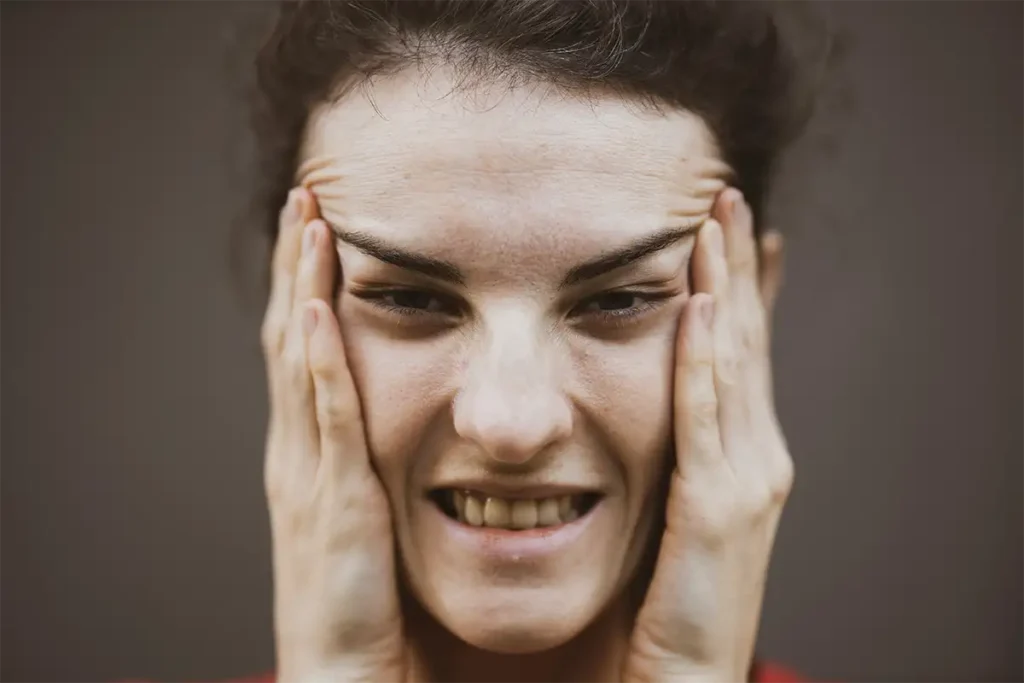
Can toothache cause headache that feels like a migraine?
Yes, and it fools people all the time.
One-sided pain. Throbbing. Sensitivity to light sometimes. Sounds like a migraine.
But the source is different. A migraine starts in the brain. This starts in the tooth and spreads upward.
If painkillers dull it but don’t fully fix it, that’s a hint something else is going on. check NHS guidance on toothache and related pain
A quick reality check you can do yourself
Pay attention to patterns instead of guessing.
| What you notice | What it suggests |
|---|---|
| Pain stays on one side | More likely dental |
| Biting or chewing changes the pain | Tooth involvement |
| Cold drinks trigger sharp pain | Nerve inside the tooth |
| Headache feels worse lying down | Pressure from inflammation |
| No tooth sensitivity at all | More likely non-dental |
None of this is perfect. But it’s usually enough to raise suspicion.
When it’s not something to ignore
Some signs mean you shouldn’t wait:
- Swelling around the jaw or face
- Fever
- Difficulty opening your mouth
- Pain spreading into your neck
That points toward infection spreading. At that stage, it’s not just discomfort anymore.
A quick note if you’re in North London
A lot of people here end up treating the headache first. GP visit. Painkillers. Maybe even migraine meds.
Weeks pass.
Then someone finally checks the tooth.
Local dental clinics see this pattern constantly. The issue isn’t rare it’s just missed early because the pain doesn’t behave the way people expect.
If something feels off and one side of your mouth is even slightly sensitive, it’s worth checking sooner rather than later.
What actually helps (simple, practical)
You don’t need guesswork. Just pay attention to your body.
- Tap lightly on the tooth that feels suspicious. If it feels tender compared to others, that matters
- Drink something cold. A sharp reaction points toward nerve involvement
- Avoid chewing on that side for a day and see if the headache eases
- Don’t rely on painkillers for too long they hide the pattern
If the pain sticks around more than a couple of days, it’s not resolving on its own.
FAQ
Yes. That’s the most common pattern. Same side as the affected tooth.
Once it reaches deeper layers and irritates the nerve, it can.
Blood flow shifts when you lie down, increasing pressure in the tooth.
They can, especially if they’re impacted or pushing against other teeth.
In most cases, yes. Remove the source and the referred pain fades.
Why people come to Winchmore Hill Dental Practice
Pain doesn’t always stay where it starts. If your head keeps hurting and nothing explains it, the answer might be sitting quietly in your mouth. Winchmore Hill Dental Practice doesn’t rush straight into treatment. We look at how the pain behaves. You’re not just getting a quick check. You’re getting someone trying to connect the dots properly.
A tooth that “doesn’t look too bad” can still be the cause. Bite alignment, pressure points, early infection those details matter. If your headache doesn’t make sense, or a tooth feels slightly off but not obvious, get it checked at Winchmore Hill Dental Practice.