
Dental Filling Treatments in Enfielde North London
A damaged or decayed tooth can affect your comfort, chewing ability, and confidence. At Winchmore Hill Dental Practice, we offer high-quality dental filling treatments designed to repair your teeth while preventing further damage. Using modern materials and techniques, we restore both function and appearance, ensuring your smile remains healthy and natural.

Need an appointment for yourself or a loved one? Get in touch with our friendly team today!
Why Dental Fillings Matter
Dental fillings are more than just repairs—they are a key part of maintaining long-term oral health. By treating decay or cracks early, fillings:
Stop cavities from spreading to surrounding teeth
Reduce the risk of infection and discomfort
Maintain your ability to chew and bite properly
Help avoid more extensive procedures, like crowns or root canals
With the right filling, your tooth is reinforced, making it strong, functional, and ready to last for years.
Advanced Materials for Lasting Results
We provide a variety of filling options to suit each patient’s needs and preferences:
Tooth-Coloured Composite: Blends seamlessly with natural teeth for a subtle, aesthetic finish.
Porcelain Fillings: Durable and resistant to stains, ideal for larger restorations.
Gold Fillings: Long-lasting and exceptionally strong, perfect for back teeth.
Amalgam Fillings: A reliable, traditional option for molars and areas that handle heavy chewing.
Our team carefully selects the material that best balances durability, function, and appearance for each individual tooth.
Signs You Might Need a Filling
Not every problem is obvious. Some signs that a dental filling may be necessary include:
Sensitivity to hot, cold, or sugary foods and drinks
Pain when biting or chewing
Visible cracks, holes, or discolouration on teeth
Worn or broken existing fillings
Persistent bad taste or bad breath
Early treatment prevents small issues from turning into bigger problems.
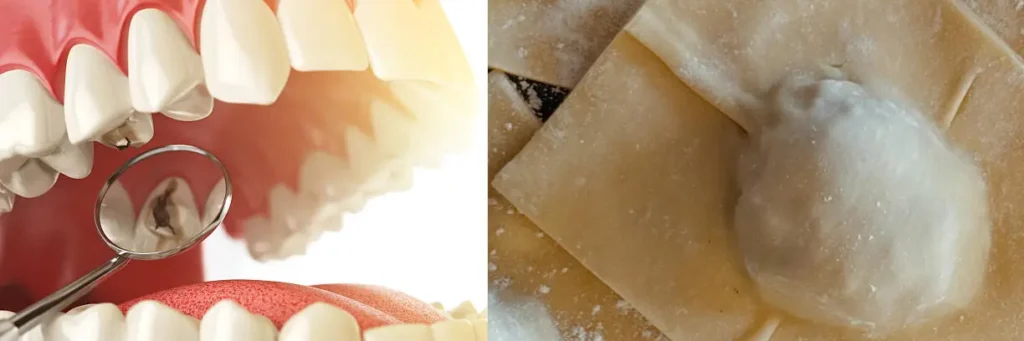
What to Expect During Your Filling Appointment
At Winchmore Hill Dental Practice, we focus on comfort and precision:
Examination: We evaluate the tooth to determine the extent of decay or damage.
Cleaning: Any decay is carefully removed, and the tooth is cleaned to prevent infection.
Filling Placement: The chosen material is applied, shaped, and polished to match your tooth’s natural contours.
Final Check: Your dentist ensures the bite feels comfortable and the filling blends seamlessly.
Every step is performed gently, with techniques designed to reduce discomfort and provide long-lasting results.

Why Choose Winchmore Hill Dental Practice
Patients choose us in Enfield, Southgate, and North London because we focus on precision, comfort, and personalised care. With experienced dentists, modern materials, and a patient-centred approach, we ensure that every dental filling is effective, durable, and natural-looking.
We don’t just fix teeth—we restore confidence, comfort, and a healthy smile that lasts.
Book Your Dental Filling Today
Don’t wait for discomfort or damage to worsen. Contact Winchmore Hill Dental Practice to schedule a consultation and receive a treatment plan tailored to your needs.
Visit Us:
Winchmore Hill Dental Practice
927 Green Lanes, Winchmore Hill, North London, N21 2PB
Call: 020 8360 2010
Email: info@winchmorehilldental.co.uk
Take the first step toward a stronger, healthier smile today.
Frequently Asked Questions: Dental Filling
What happens if I don’t get a cavity filled?
Leaving decay untreated allows bacteria to spread deeper into the tooth. This can eventually cause infection, severe pain, and may require more complex treatments such as a crown, root canal, or even extraction.
Can a filling fall out?
Fillings are designed to be strong and long-lasting, but they can wear down or loosen over time. If a filling comes out or feels uneven, contact us immediately so we can repair or replace it before further damage occurs.
Are there filling materials that are safer or better for front teeth?
Yes. Composite resin and porcelain are ideal for visible areas because they match the natural colour of your teeth. For back teeth under high pressure, gold or amalgam may sometimes be recommended for extra durability.
Will I still feel sensitivity after getting a filling?
It’s common to feel slight sensitivity to temperature or pressure for a few days after treatment. This usually settles quickly. If discomfort persists, we’ll review the filling to make sure it’s sitting perfectly.
How much does a dental filling cost at Winchmore Hill Dental Practice?
Costs vary depending on the material chosen, the size of the cavity, and the tooth being treated. During your consultation, we’ll provide a clear breakdown of options and prices, so you can make an informed decision with no surprises.
How do I take care of my teeth after getting a filling?
Caring for a filled tooth is the same as caring for all your teeth: brush twice daily, floss regularly, limit sugary foods, and keep up with dental check-ups. This ensures your filling lasts as long as possible and prevents new cavities from forming.
Can children need fillings too?
Yes. Children can develop cavities in both baby teeth and permanent teeth. Treating them early prevents pain and infection, and ensures healthy development of the jaw and permanent teeth.
How long does a dental filling last?
The lifespan depends on the material used, your oral hygiene, and where the filling is placed. Composite fillings often last 7–10 years, while gold or porcelain can last much longer with proper care.
Is the dental filling procedure painful?
No. We use local anaesthetic to keep the area completely numb, and our dentists use gentle techniques to ensure your comfort. Most patients describe the process as quick and easy.
Can I eat right after getting a filling?
If you’ve had a composite (tooth-coloured) filling, you can usually eat soon after your appointment once the anaesthetic wears off. For metal fillings, we may advise waiting a little longer for the material to set fully.
Do fillings protect against future decay?
Yes. A filling seals off the vulnerable area of the tooth, but keeping up with good brushing, flossing, and regular check-ups is essential to prevent decay in other parts of the tooth or mouth.