
Myths and misconceptions surrounding dental care are common among patients, often leading people to make decisions that can harm their oral health. While some of these myths may seem harmless, they can contribute to ineffective oral hygiene practices and even long-term dental problems.
In this article, we will explore ten common dental health myths and debunk them with factual, evidence-based insights to help you make informed decisions about your oral care.
Myth 1: Brushing Harder Results In Cleaner Teeth
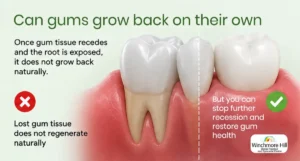
One of the most common misconceptions is that brushing your teeth more vigorously will remove more plaque and leave your teeth cleaner. However, brushing too hard can actually cause damage to your teeth and gums – this is because aggressive brushing can wear down the enamel, the protective outer layer of your teeth, and lead to gum recession, making teeth more sensitive and prone to decay.
To maintain good oral health, it is crucial to use a soft-bristled toothbrush and brush your teeth gently, using circular motions for at least two minutes. This will effectively remove plaque without damaging your enamel or gums.
Myth 2: Flossing Is Unnecessary If You Brush Thoroughly
Many people believe that if they brush their teeth well, there is no need to floss. However, flossing plays a crucial role in dental hygiene by removing food particles and plaque from between the teeth – areas that a toothbrush cannot reach. Without regular flossing, plaque can build up in these spaces, leading to gum disease and cavities.
In fact, in addition to brushing your teeth, the British Dental Association recommends flossing or using interdental brushes once a day to maintain healthy gums and prevent decay.
Myth 3: Sugar Is The Only Cause Of Cavities
While sugar is a significant contributor to the formation of cavities, it is not the sole cause.
Cavities develop when bacteria in your mouth produce acids that erode tooth enamel. These bacteria feed on sugars, but other carbohydrates – such as bread, pasta, and crackers – can also break down into sugars and fuel the production of acid.
Poor oral hygiene, dry mouth, and a lack of fluoride exposure can increase the risk of cavities, even in those who consume minimal sugar. To protect your teeth, it is essential to maintain a balanced diet, brush twice daily with fluoride toothpaste, and visit your dentist regularly.
Myth 4: White Teeth Are Healthy Teeth
It is easy to equate white teeth with good oral health, but the colour of your teeth does not necessarily indicate their condition. Teeth can be naturally off-white or yellowish due to genetics, diet, and ageing. Conversely, teeth can appear white but still be unhealthy if there is decay or gum disease present.
The best way to ensure that your teeth are healthy is to prioritise good dental hygiene, including regular brushing, flossing, and dental check-ups, rather than focusing solely on how your teeth look.
Myth 5: You Should Brush Immediately After Eating
Many people believe that brushing their teeth right after a meal will help remove food particles and prevent plaque buildup. However, brushing immediately after eating – especially if the meal contains acidic foods or drinks – can do more harm than good. This is because acidic substances, such as citrus fruits and fizzy drinks, temporarily weaken the enamel, and brushing straight away can cause the enamel to erode further.
It is better to wait at least 30 minutes after eating before brushing your teeth to allow your saliva to neutralise the acids and strengthen the enamel.
Myth 6: Gum Disease Is Only A Problem For Older People
Gum disease, or periodontal disease, is often associated with older adults, but it can affect people of all ages.
In fact, gingivitis, the early stage of gum disease, is particularly common in teenagers and young adults. If left untreated, gingivitis can progress to periodontitis, a more severe form of gum disease that can lead to tooth loss.
Maintaining good oral hygiene from a young age is essential to preventing gum disease. Regular dental check-ups, brushing twice a day, and flossing can help keep your gums healthy at any age.
Myth 7: Bad Breath Is Only Caused By Poor Oral Hygiene
While poor oral hygiene is a common cause of bad breath, there are several other factors that can contribute to halitosis. For instance, dry mouth, certain medications, respiratory infections, and even gastrointestinal issues can lead to unpleasant breath.
If brushing, flossing, and using mouthwash do not improve your breath, it may be necessary to consult a dentist or healthcare provider to determine if an underlying health issue is the cause.
Myth 8: Dental Visits Are Only Necessary if You Have A Problem
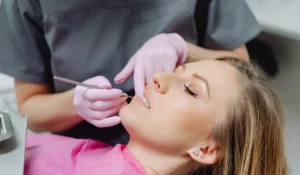
Many people believe that they only need to visit the dentist when they experience pain or discomfort. However, regular dental check-ups are essential for maintaining good oral health and preventing problems before they become severe. Dentists can detect early signs of tooth decay, gum disease, and other issues that may not yet be causing noticeable symptoms.
The NHS recommends visiting the dentist at least once every six months for routine check-ups, even if you are not experiencing any issues.
Myth 9: Teeth Whitening Weakens Teeth
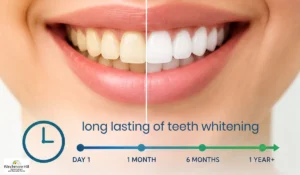
Teeth whitening treatments, when carried out correctly, do not damage the teeth. Professional whitening procedures offered by dentists use safe concentrations of bleaching agents to remove stains and brighten the enamel. However, overuse of over-the-counter whitening products or improper application can cause tooth sensitivity or irritation to the gums.
For safe and effective teeth whitening, it is always best to consult a dental professional.
Myth 10: Baby Teeth Don’t Need Care Because They Fall Out
Some parents assume that because baby teeth eventually fall out, they do not need as much care as permanent teeth. However, baby teeth are essential for a child’s development, helping them to chew food and speak properly. Moreover, healthy baby teeth pave the way for the correct alignment and development of permanent teeth.
Caring for baby teeth through regular brushing and dental visits is crucial for preventing decay and ensuring the overall health of a child’s mouth.
The Truth About The Tooth
Oral health is often surrounded by myths that can lead to ineffective or harmful practices. By debunking these common misconceptions and following evidence-based advice, you can better protect your teeth and gums.
In addition, always remember to maintain a proper oral hygiene routine, visit your dentist regularly, and seek professional advice for any dental concerns.