Having Type 1 or Type 2 diabetes can increase your risk of developing dental problems, including cavities, tooth decay, and periodontal (gum) disease. In fact, people with Type 2 diabetes are up to three times more likely to have dental health problems.
Those with either Type 1 or Type 2 diabetes can reduce their risk of developing dental conditions by taking good care of their oral health, making regular appointments with their dentist, and managing their diabetes effectively.
In this article, we will explore the relationship between diabetes and oral health conditions, including how to prevent common diabetes-related dental problems.
The Common Diabetes-Related Dental Problems
Diabetes can lead to a wide range of dental problems, including:
– Periodontal (gum) diseases, including gingivitis, and periodontitis
– Tooth decay
– Cavities
– Xerostomia (dry mouth)
– Oral thrush
– Mouth irritation
– Abscesses
– Tooth loss
Diabetes And Periodontal Diseases
Diabetes can increase your risk of developing periodontal disease such as gingivitis and periodontitis. Periodontal diseases are caused by infections and inflammation in the gums and jawbone, and can lead to bleeding gums and even tooth loss.
Periodontal disease is separated into three stages:
Gingivitis – Gingivitis is an early stage of gum disease and typically presents as red, inflamed gums that bleed during brushing. Gingivitis can be reversed with good oral hygiene and treatment from a dentist or dental hygienist.
Mild Periodontitis – If your gingivitis goes untreated, it will develop into periodontitis. Mild periodontitis can cause damage to the gums and the bone that keeps the teeth in place. At this stage, you will require urgent treatment from the dentist to prevent further damage.
Severe Periodontitis – At the severe stage, you will be experiencing severe gum and bone loss around the Left untreated, this may be irreversible.
Diabetics are at higher risk of developing periodontitis because excess blood sugars enter the saliva, feeding bacteria in the mouth and causing it to reproduce – which in turn leads to gum inflammation, plaque, and gum infections.
At the same time, high blood sugars also suppress the immune response, making it more difficult for the body to fight off the infection.
To help combat this, diabetics should check their blood sugars regularly, and take the prescribed amount of insulin when their blood sugars are high, to prevent sugars from building up in saliva. In addition, they should consult with their diabetes nurse regularly to ensure they are taking enough insulin to manage their diabetes effectively.
Diabetes And Tooth Decay
Type 2 diabetes can be caused by eating excessive amounts of sugars and carbs over a long period of time – factors that can also lead to tooth decay.
For people with both Type 1 and Type 2 diabetes, the excess blood glucose entering the saliva can also feed the bacteria in the mouth and cause it to breed. This leads to a build-up of plaque which hardens to become calculus, causing tooth decay and cavities, and irritating the gums, leading to tooth loss.
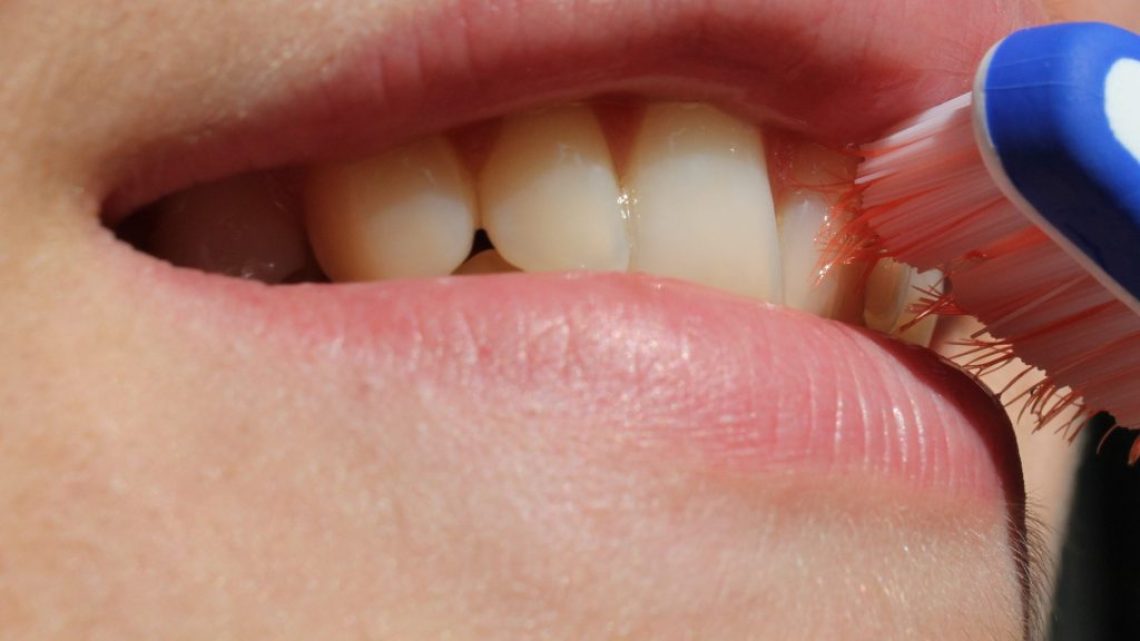
To stop plaque building up, brush your teeth twice a day with a toothbrush and fluoride toothpaste. In addition, make sure you use interdental toothbrushes and floss every day to clean difficult-to-reach areas between the teeth.
Diabetes And Dry Mouth
Diabetes can cause high blood sugar levels, known as hyperglycaemia.
Hyperglycaemia can lead to dry mouth, where salivary glands do not produce enough saliva. Between 40-80% of diabetics report symptoms of dry mouth as part of their diabetes presentation.
Without enough saliva in the mouth, teeth are more vulnerable to acid erosion, which can cause tooth decay and cavities. It can also cause bacteria to breed, increasing vulnerability to gum infections that can lead to periodontal diseases.
To prevent dry mouth, diabetics should ensure they take enough insulin as per their diabetes nurse’s recommendation to regulate blood sugar levels. A dentist can also prescribe home fluoride treatments and use a topical fluoride treatment in the clinic.
Diabetics may also be advised to use anti-fungal or antibacterial mouthwashes to prevent and treat gum infections. In addition, using a sugar-free gum – such as xylitol gum – can help to stimulate saliva flow, protecting teeth from erosion and bacterial build-up.
Diabetes And Oral Thrush
Diabetes can lead to oral thrush in several ways. Firstly, it causes glucose to build up in the saliva in the mouth, feeding the Candida Albicansyeast that causes oral thrush.
Secondly, high blood sugar levels damage white blood cells, which are essential for a healthy immune system. With a lowered immune response, you are more vulnerable to an oral thrush infection. Diabetes also causes low saliva levels, which reduces protection against gum infections.
Oral thrush is best recognised by white patches (which may be ulcerated and uncomfortable) and redness in the mouth and throat, an unpleasant taste, and cracks at the corners of the mouth. It can also be accompanied by a burning sensation.
You can treat oral thrush by maintaining good oral hygiene and keeping blood sugars within the advised range. A dentist can also help you treat this condition by prescribing anti-fungal medication.
The Gum-Diabetes Connection
Diabetes doesn’t just cause gum disease, gum disease can also lead to diabetes becoming more severe – causing high blood sugar levels and associated health issues, including conditions of the heart, kidneys, eyes, nerves, and blood vessels.
You can make your diabetes more manageable and prevent other health complications by treating any underlying gum disease with the help of your dentist or dental hygienist.
How To Take Better Care Of Your Teeth
– Brush your teeth at least twice a day for at least two minutes at a time – once in the morning, and once before bed
– Use interdental toothbrushes and floss at least once a day
– Use fluoride toothpaste to strengthen the enamel of your teeth
– Seek the advice of your dentist or dental hygienist if you experience problems with dry mouth
– Stay hydrated by drinking water regularly
– Avoid sugary foods and fizzy drinks
– Only drink water after brushing your teeth
– If you smoke, quit!
– Seek treatment as soon as you notice any symptoms of gingivitis or periodontal disease
– Get regular checkups from your dentist, at a minimum every 6-12 months
Want to ensure your teeth are perfectly protected against cavities, diseases, and other threats?
Contact our expert team!