Increasingly, people are ditching their traditional string floss for a water flosser. But is water flossing really better than string floss?In this article, we’ve done the research for you, so you can choose the best flossing method for your needs.
The Importance Of Flossing
Did you know that less than half of UK adults floss daily? And that 20% of the population does not floss at all?
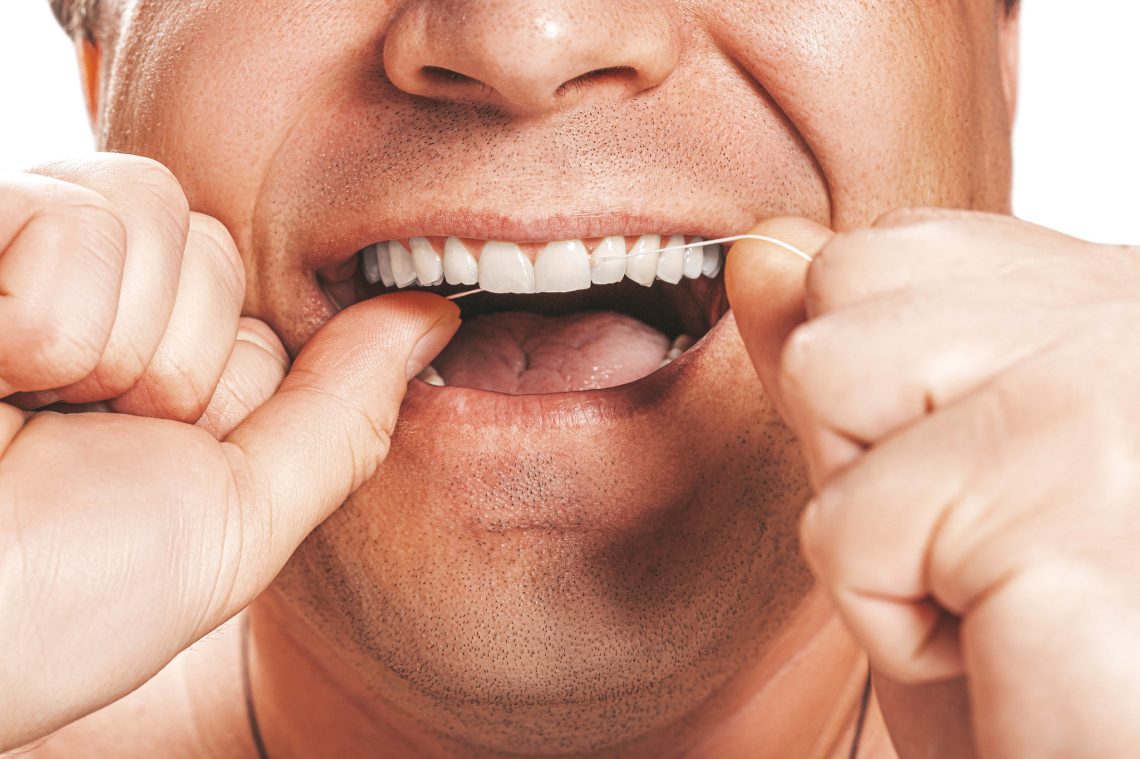
We all know that regular flossing plays an important role in maintaining your oral health. But why? Here’s a just few of the ways that flossing keeps your teeth and gums healthy:
Cleans Your Whole Mouth – While brushing your teeth is effective for keeping the front, back and chewing surface of your teeth clean, the bristles of your toothbrush will not clean between your teeth.
In fact, if you don’t floss you could fail to clean up to 40% of your teeth! This can lead to plaque build-up between your teeth, which can cause halitosis (bad breath), tooth decay, and gum disease.
Flossing Stimulates Blood Flow – Regular flossing stimulates blood flow to the gums, which improves your gums’ immune response. As a result, you will be better protected against gum disease and infections.
Clears Out Debris – Flossing cleans out any food debris which gets caught between your teeth while eating. This prevents plaque buildup, cavities, and halitosis.
The Common Issues With Flossing
So why are so many UK adults against flossing their teeth? Some common reasons include:
Reduced Upper Body Mobility – Many adults simply don’t have the upper body mobility to be able to floss their teeth using string floss, leading them to neglect it entirely.
Braces And Other Dental Fixtures – String floss can get caught in braces, which can be irritating and even painful. However, failing to properly clean beneath braces can cause cavities and tooth decay.
Lack Of Time – Some people find flossing their teeth takes up time that they simply do not have. This can lead people who live a busy lifestyle to neglect flossing their teeth.
Difficulties With Executive Function – Some people struggle with their executive function, due to neurodiversity and/or mental health conditions such as depression, ADHD, or autism. This may make it challenging for them to maintain a regular oral health regime.
Lack Of Education – Some people may have simply never been taught that flossing is essential for maintaining their oral health. Your dentist should provide you with information and advice about flossing, and can show you how to floss if you have never done it before.
String Floss Vs Water Flossing: Which Is Best For You?
Studies have shown that water flossing is just as – if not more – effective at flossing your teeth. For instance, one study found that water flossing could remove 29% more plaque from your teeth than your usual string floss.
However – don’t throw away your string floss altogether! It is better for removing the more stubborn plaque on your teeth, due to the ‘scraping’ motion against the tooth’s surface.
Using both string floss and a water flosser together is the best way to ensure that your mouth is protected from plaque. However, there are some circumstances in which a water flosser may work better for you.
For instance, water flossers require much less mobility to floss your teeth effectively. Therefore, if you find you struggle to raise your arms or turn your shoulders, you may find a water flosser easier to handle.
Also, while string floss can easily get caught in dental fixtures such as braces, a water flosser uses jets of water to clean around your teeth. This means no nasty tangles, while still cleaning your teeth thoroughly.
Finding The Time And Energy To Floss
Many people struggle to find the time or energy to floss. Whether you’re a busy parent, juggling a demanding career, or struggling to stay on top of your personal care due to disabilities or mental health conditions, you’re not alone.
Here are some tips to help you stick to your flossing regime:
Floss For Just 3 Minutes – If your schedule is packed, or you just can’t seem to find the energy, know that you don’t have to floss for 10-15 minutes. Just find 3 minutes in your day to floss your teeth – every little helps!
Plan The Time – Make sure you plan in time to floss your teeth. For example, instead of leaving just five minutes to brush your teeth, schedule in 10 minutes so that you have the extra time to spend flossing. Building a routine will help you stay on track.
Choose The Flossing Method That Is Right For You – If string floss is too energy-consuming or causes you pain, choose the water flosser. You will be more likely to stick to your new routine if it is achievable and sustainable long-term.
And if you’re still not getting on with flossing? There are several alternatives to flossing available on the market, such as interdental toothbrushes, dental picks, and pre-threaded floss.
Why not try them and see what works for you? For more detail and assistance contact us.