When people hear the term root canal, they often imagine discomfort and long dental sessions. In truth, modern root canal treatment in London has advanced dramatically — it’s now efficient, comfortable, and the best way to save a natural tooth that might otherwise be lost.
If you’ve been told you may need a root canal or are experiencing severe tooth pain, understanding how the process works can help you feel confident about your treatment options. For more details on how endodontic care protects natural teeth, you can visit the BDA’s guide.
What Is a Root Canal and Why It’s Needed
A root canal treatment removes infected pulp from inside the tooth and seals it to prevent further infection. This allows your natural tooth to be preserved — an approach preferred by every skilled root canal dentist in London.
Inside the tooth lies the pulp, containing nerves and blood vessels. When bacteria reach it through decay or cracks, pain and swelling follow. Without timely care, the infection can spread to the jawbone. That’s why visiting an Endodontist at the first sign of pain is essential.

Signs You May Need Root Canal Treatment
Many patients in London visit the dentist only after the pain becomes unbearable, but early signs can help you catch issues before they worsen. Common symptoms include:
- Persistent tooth pain or throbbing sensation
- Sensitivity to hot or cold that doesn’t fade quickly
- Swelling or tenderness near the gums
- Tooth discolouration or darkening
- A recurring bump or abscess on the gum
If any of these symptoms appear, don’t delay treatment — early intervention increases the chances of preserving your natural tooth.
How Modern Root Canal Dentistry Has Evolved
Modern dentistry has made root canal treatments faster, safer, and more precise than ever.
Here’s how:
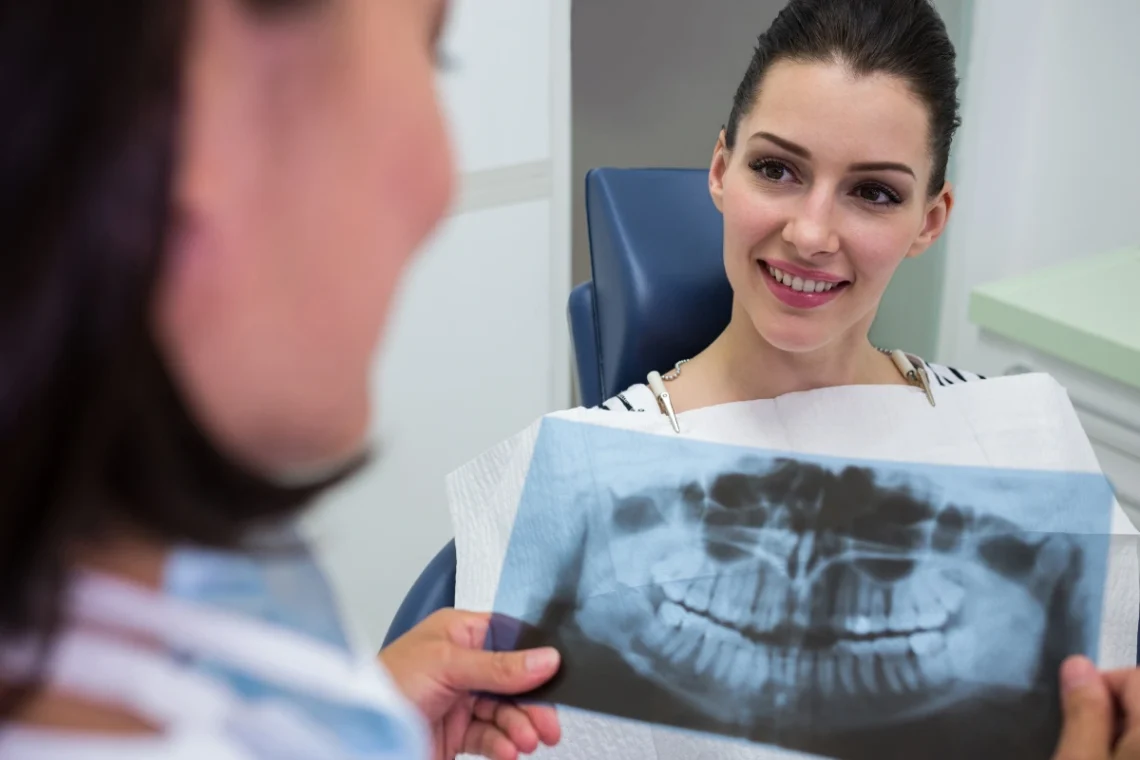
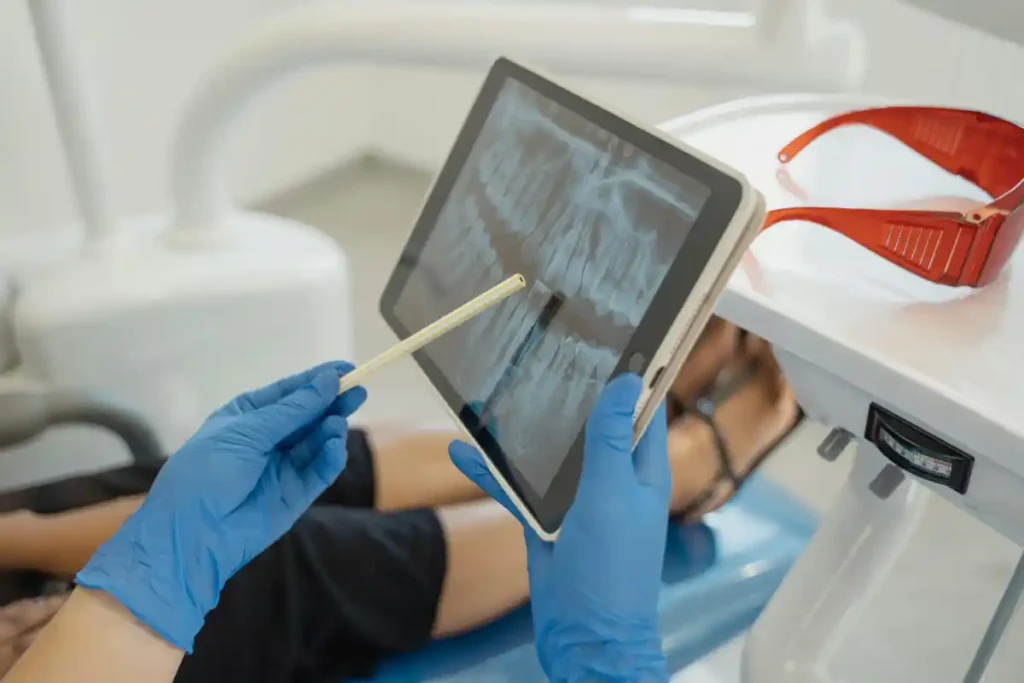
- Digital imaging (3D X-rays) lets dentists locate infection with pinpoint accuracy.
- Rotary endodontic tools clean the canal more efficiently and reduce chair time.
- Dental microscopes allow detailed visibility, even for complex root structures.
- Ultrasonic cleaning ensures complete sterilisation of the canals.
Thanks to these innovations, most patients in London report that a root canal feels no more uncomfortable than getting a standard filling.
What Happens During a Root Canal Procedure
Understanding what happens during a root canal can relieve much of the anxiety.
- Examination & Imaging:
The dentist uses X-rays or 3D scans to examine the infected area. - Local Anaesthetic:
A numbing injection ensures you remain completely comfortable. - Access & Cleaning:
A small opening is made in the tooth to access the infected pulp, which is carefully removed. - Disinfection:
The canals are cleaned and shaped with antibacterial solutions. - Filling & Sealing:
The space is filled with gutta-percha, a biocompatible material, and sealed to prevent reinfection. - Restoration:
Finally, the tooth is restored with a dental crown to strengthen and protect it.
Most treatments are completed in a single visit, and patients can resume normal activities shortly after.
Root Canal vs. Extraction – Why Saving Your Tooth Matters
While extraction may seem quicker, losing a tooth can cause lasting issues — from bone loss to misaligned bites and difficulties in chewing.
A successful root canal preserves the natural tooth structure, which is always preferable for long-term oral health.
A treated and crowned tooth can last a lifetime with proper care. Modern endodontic therapy in London focuses on conserving what nature gave you — your real smile.
What a Endodontist Does
An endodontist focuses on treating diseases of the dental pulp and tissues surrounding the roots. They handle complex cases such as:
- Re-treatments of failed root canals
- Teeth with curved or narrow canals
- Persistent infections or abscesses
At this level of care, precision is everything. Endodontists use magnification tools, 3D mapping, and modern sealing systems to achieve lasting results.
In London, root canal specialists play a vital role in ensuring that even difficult cases end with a strong, healthy tooth.
Aftercare and Recovery: What to Expect
After the procedure, your tooth may feel tender for a short period — this is normal and easily managed with mild pain relief. To promote smooth healing:
- Avoid hard foods for a few days
- Brush and floss carefully
- Attend your follow-up for crown placement
- Contact your dentist if you notice swelling or discomfort
Once the final restoration is complete, your treated tooth will function just like any other.
Preventing Future Root Canal Treatments
While root canal therapy is highly effective, prevention is always better.
Maintain your oral health with:
- Routine dental check-ups every 6 months
- Professional cleanings from your dental hygienist
- Early treatment of cavities or chips
- Limiting sugary snacks and drinks
Good oral hygiene and regular visits are the best ways to protect your natural smile.
How Winchmore Hill Dental Practice Helps Restore and Protect Natural Teeth
Our focus is on preserving what’s irreplaceable — your natural teeth. Our root canal specialists combine years of clinical experience with advanced dental technology to provide accurate, gentle and effective treatment.
From the moment you arrive, our team ensures comfort, transparency, and a tailored care plan designed around your individual needs. Using microscope-assisted endodontics, digital imaging, and pain-free anaesthesia, we make the root canal process as smooth as possible.
Patients across London trust our expertise in handling both routine and complex root canal cases. Our results speak for themselves — healthy, strong, and natural-looking teeth that last.
FAQs About Root Canal Treatment
No. With modern anaesthetic and technology, root canal treatment is virtually pain-free.
Usually one to two visits of around an hour each, depending on complexity.
In most cases, yes — a crown protects and strengthens the tooth for years to come.
With modern dentistry, success rates exceed 95%.
A specialist can perform a re-treatment to clean and reseal the canal successfully.