
Many holistic health and wellbeing trends are circulating on social media, and while a few can be effective, many aren’t, with some even being potentially dangerous.
‘Oil pulling’ is currently trending as a method of maintaining dental hygiene and oral health, with posts all over TikTok and Instagram promoting the use of coconut oil to remove harmful bacteria from the mouth. Several celebrities – from Gwyneth Paltrow to Kylie Jenner – swear by the oil pulling technique, making it a popular choice for people looking to incorporate more holistic remedies into their dental hygiene regime.
But does it really work? In this article, we will look at what oil pulling is, assess whether it is effective, and outline how you can implement it into your dental hygiene regime if you choose to do so.
What Is Oil Pulling?
Oil pulling is originally an ancient Ayurvedic practice, dating from as early as 3,000 to 5,000 years ago. Traditional Ayurvedic medicine claims that oil pulling could remove toxins from the body and align the doshas (bodily energies), which when out of balance, could cause illness and disease.
Oil pulling involves using an oil to swish around your mouth, for between 10-20 minutes, before spitting out. Many oils can be used for this purpose, with coconut, sesame, olive, and palm oils the most popular options. Some practitioners of Ayurvedic medicine also add turmeric or other herbs to provide additional health benefits.
It is claimed that oil pulling can prevent bleeding gums, decay, and throat dryness, strengthen the teeth, gums, and jaw, and even relieve headaches, hangovers, skin conditions, and asthma, as well as reducing inflammation. Advocates even claim that oil pulling can have beauty benefits such as improved skin and whiter teeth.
Does Oil Pulling Work?
This is the main question most people have.
Oil pulling can help improve oral cleanliness to some extent, mainly by loosening debris and reducing some surface bacteria.
So yes it can work as a supportive habit, but not as a primary solution. You’ll still rely on brushing, flossing, and professional dental care for real results.
Is Oil Pulling Good for Teeth?
Oil pulling is generally safe for most people and can be a helpful addition to your routine.
It may:
- Help keep your mouth feeling cleaner
- Support gum health over time
- Slightly reduce plaque buildup
But calling it “good for teeth” depends on how you use it.
Understanding Scientific Studies
Overall, there is a lack of scientific studies to indicate the effectiveness of oil pulling for maintaining dental hygiene. However, this does not necessarily indicate that oil pulling does not work, as funding for research into holistic therapies is limited.
If you choose to implement oil pulling in your daily routine, inform your dentist. At Winchmore Hill Dental Practice, we will provide advice and guidance to help you get the maximum benefit from your dental hygiene routine.
The Facts:
Does Oil Pulling Kill Bacteria?
In short, no. However, it may remove bacteria and prevent plaque buildup. Studies in India have suggested that oil pulling can reduce the number of tooth decay-causing bacteria in the mouth, but dental experts have suggested that swishing with water would have the same effect.
Does Oil Pulling Prevent Plaque And Cavities?
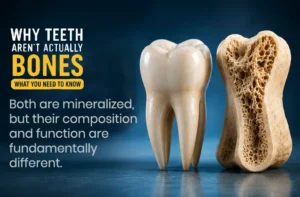
While oil pulling does not kill bacteria and is not necessarily any more effective than using water, it may be more effective at preventing plaque and cavities by strengthening your teeth. The high-fat content of the oil can strengthen teeth, reducing their porosity. This prevents cavities, which are caused by plaque eroding the tooth enamel.
Does Oil Pulling Remove Plaque?
Not in the way people often think.
Oil pulling may help reduce soft plaque buildup over time, but it does not remove hardened plaque (tartar). Once plaque hardens, only professional cleaning can remove it.
Does Oil Pulling Cure Gum Disease?
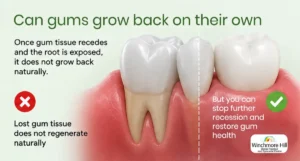
Oil Pulling does not cure gum disease – however, it may be effective at preventing gum disease by reducing plaque buildup.
Is Oil Pulling A Substitute For Floss And Mouthwash?
Oil pulling does not have the same abrasive effect as floss, so it will not remove hardened plaque or kill bacteria. As such, it is not a substitute for floss.
While some dentists agree that it may be used as an alternative to mouthwash, it should be ideally used as a supplement to your usual dental hygiene routine.
Does Oil Pulling Whiten Teeth?
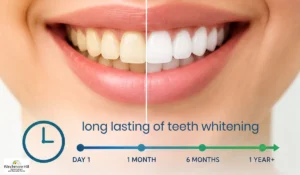
Oil pulling does not remove existing stains. However, it can help to prevent stains by reducing the porosity of your teeth and making it more difficult for stains to stick.
Which Oil To Use?
Coconut Oil
While sesame, olive, and palm oils have been traditionally used for oil pulling, coconut oil offers the most benefits due to its purported anti-inflammatory, anti-microbial, and antioxidant effects. Coconut oil contains lauric acid, which is anti-microbial, helping to kill harmful bacteria.
Coconut Oil Pulling Dangers
Oil pulling is low-risk, but there are a few things to be aware of:
- Swallowing the oil can introduce bacteria back into your body
- Jaw fatigue from swishing too long or too hard
- Choking risk if done incorrectly
- Rarely, inhaling oil accidentally can cause lung irritation
Keeping the process gentle and controlled helps avoid these issues.
Sesame Oil
Sesame oil is purported to reduce bad breath (halitosis), reduce harmful bacteria, and contribute to healthy gums. This is the most traditional oil used for oil pulling in Ayurvedic practice.
Oil Pulling for Teeth: When It Makes Sense
Oil pulling fits best in a routine when:
- You already brush and floss regularly
- You want a more natural or holistic addition
- You’re focusing on prevention rather than treatment
It’s not something to rely on if you already have pain, cavities, or gum disease those need proper dental care.
Oil Pulling Teeth Routine
If you’re doing oil pulling for teeth, keep it simple:
- Use 1 tablespoon of oil
- Swish gently, not aggressively
- Do it before brushing
- Stay consistent rather than doing it occasionally
Small, regular habits tend to work better than long, inconsistent sessions.
A Bitesize Therapy
It can be used as a supplement to your usual dental hygiene routine to prevent gum disease, plaque, and cavities and naturally maintain good overall dental health. Oil pulling is a cost-effective way to maintain good dental hygiene and can offer holistic benefits, but should not be used as a substitute for regular brushing and flossing.