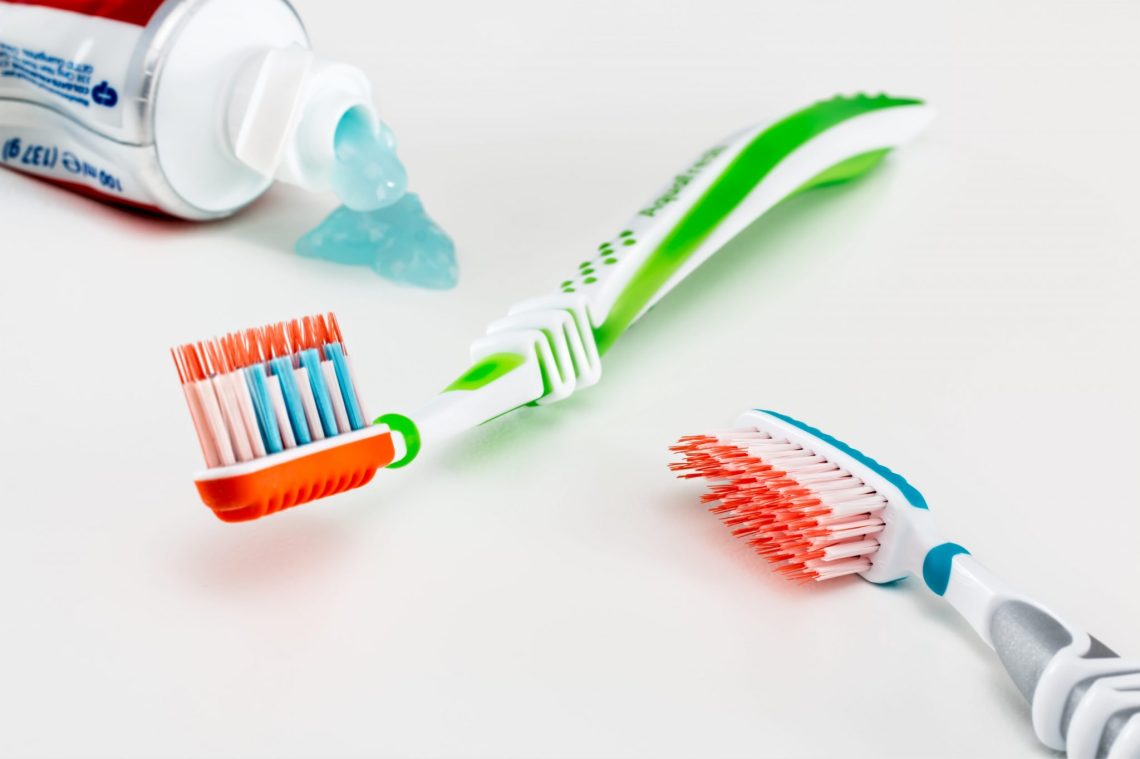
At Winchmore Hill Dental Practice, we understand that the wide variety of dental products on the market can get confusing for customers.
From soft-bristled brushes to hard-bristled brushes, manual or electric, and specialist orthodontic brushes for individual needs, the choice can get overwhelming. With so many products available – each claiming to be the best option for maintaining dental health – it can be difficult to choose the right solution.
In this article, we will discuss how to choose a toothbrush, outline the best toothbrushes for specialist dental needs, and how to maintain and replace your toothbrush to ensure the best care for your teeth.
Soft Vs. Hard Bristled Brushes
It’s a common misconception that medium or hard-bristled brushes are the best for your teeth. While many dentistry patients report that their mouth feels cleaner when using a hard-bristled brush, firm bristles can be harsh on your teeth and gums, leading to gum tears, infections, receding gums, and enamel erosion.
Instead, choose a soft-bristled brush and simply extend the amount of time you spend brushing your teeth, followed by using mouthwash and dental floss, and/or a water flosser. Your teeth will get just as clean, without the damage.
Head Size And Shape
You should choose a toothbrush which allows for maximum manoeuvrability around your mouth. As a general rule, this will be a small or medium-sized brush head. This will allow you to reach the corners of your mouth more easily, cleaning even the most difficult to reach places.
For this same reason, a round-headed brush is more easily handled than a rectangular shape. Choosing a small, round-headed brush will ensure that all areas of your mouth can be cleaned effectively, and with ease.
Bristle Design And Size
Many toothbrush manufacturers now offer brushes with a wide range of bristle designs and sizes. Smaller bristles are more effective at targeting hard to reach areas, allowing you to brush between your teeth.
You should opt for bristles with a rounded design, as this will be gentler on your gums. Straight bristles can have sharp tips, which can cause injury to the gums, increasing the risk of infection and inflammation.
Handle Design
Ensuring a good grip on your toothbrush is essential for achieving a good brushing technique. You should choose a toothbrush with an ergonomic design, avoiding ones with a straight handle. The handle should fit well in your hand, conforming to the shape and size of your hand.
Manual Vs Electric
The key here is to choose a toothbrush which best suits your lifestyle. While an electric toothbrush is the most efficient at cleaning your teeth, if you travel frequently or forget to charge your toothbrush, a manual brush may be more effective for you. Choose a toothbrush option that you know you will use.
Toothbrushes For Specialist Dental Needs
Sensitive Teeth
Having sensitive teeth can make brushing your teeth painful, which can cause sufferers to neglect brushing their teeth effectively. This can lead to other long-term problems with your teeth and gums, such as cavities and gum disease.
If sensitive teeth are a problem for you, consider one of the brushes specifically designed for sensitive teeth. These brushes feature extra soft bristles and gentle brushing modes to reduce tooth sensitivity.
Orthodontics
Orthodontic appliances such as braces can make it difficult to target certain areas of your mouth. In severe cases, this can lead to plaque build-up and cavities in unreached areas.
If you struggle to brush around your orthodontics, there are good toothbrush options for you too. Toothbrushes with angled bristle patterns and specialist orthodontic brushes are designed specifically to clean around wires and brackets.
Mobility Problems
Mobility problems are common in people with disabilities and older people, and can make it difficult to brush your teeth effectively.
Choosing an electric toothbrush can help you to brush your teeth effectively with minimal exertion or straining. You should choose a small, round-headed toothbrush to allow you to reach difficult areas with reduced mobility.
Maintaining And Replacing Your Toothbrush
You should make sure that your toothbrush is properly maintained to ensure that it stays in top condition and doesn’t transmit debris or bacteria while brushing. Also, you should thoroughly rinse your brush after brushing to remove any debris, and store it in an upright position in the open air to dry.
We advise against storing toothbrushes in closed containers, as this can cause bacterial growth which can then be transferred onto your teeth and gums. Similarly, reusing a toothbrush you have used while you are ill can cause bacteria to be re-transferred into your mouth.
For optimal oral hygiene, you should change your toothbrush:
- Every 3-4 months
- When there are significant signs of deterioration, such as frayed or worn bristles
- After you have been ill
Brushing Technique
Ensuring an effective brushing technique is essential for maintaining good oral hygiene, but it is easy to get wrong!
If you have any concerns regarding your brushing technique, our dentists can provide professional advice and demonstrate the most efficient way to brush your teeth. Simply ask one of our team at your next appointment, we will be happy to help!