Paediatric dentistry is essential for ensuring good dental hygiene throughout your child’s life. As parents, understanding how to care for your child’s teeth from infancy through adolescence can prevent future dental problems and instil good oral hygiene habits early on.
In this article, we will cover essential aspects of paediatric dental care, from the importance of baby teeth to tips for preventing cavities and how to make dental visits stress-free for your child.
The Importance Of Baby Teeth
Many parents might wonder why it is so important to care for baby teeth when they will eventually fall out. Baby teeth, or primary teeth, play several critical roles. For instance, they hold the space for permanent teeth, ensuring they grow in correctly. If a primary tooth is lost too early, the permanent teeth may not have the necessary guidance and can grow crooked, leading to potential issues later on.
Primary teeth are also essential for proper pronunciation, speech development, and nutrition. Children learn to speak by imitating sounds and forming words with the help of their teeth. Healthy baby teeth also enable a child to chew their food properly, which is necessary for good digestion, nutrition, and overall health.
A healthy set of baby teeth can even promote mental wellbeing for your child by improving their confidence and social interactions, boosting their self-esteem from a young age.
Establishing Good Oral Hygiene Habits Early
Teaching your child good oral hygiene habits from an early age sets the foundation for lifelong dental health.
It’s important to start early, even before the first tooth appears, by cleaning your baby’s mouth with a soft, damp cloth to wipe the gums after feeding. This practice helps remove bacteria and gets your baby accustomed to having their mouth cleaned.
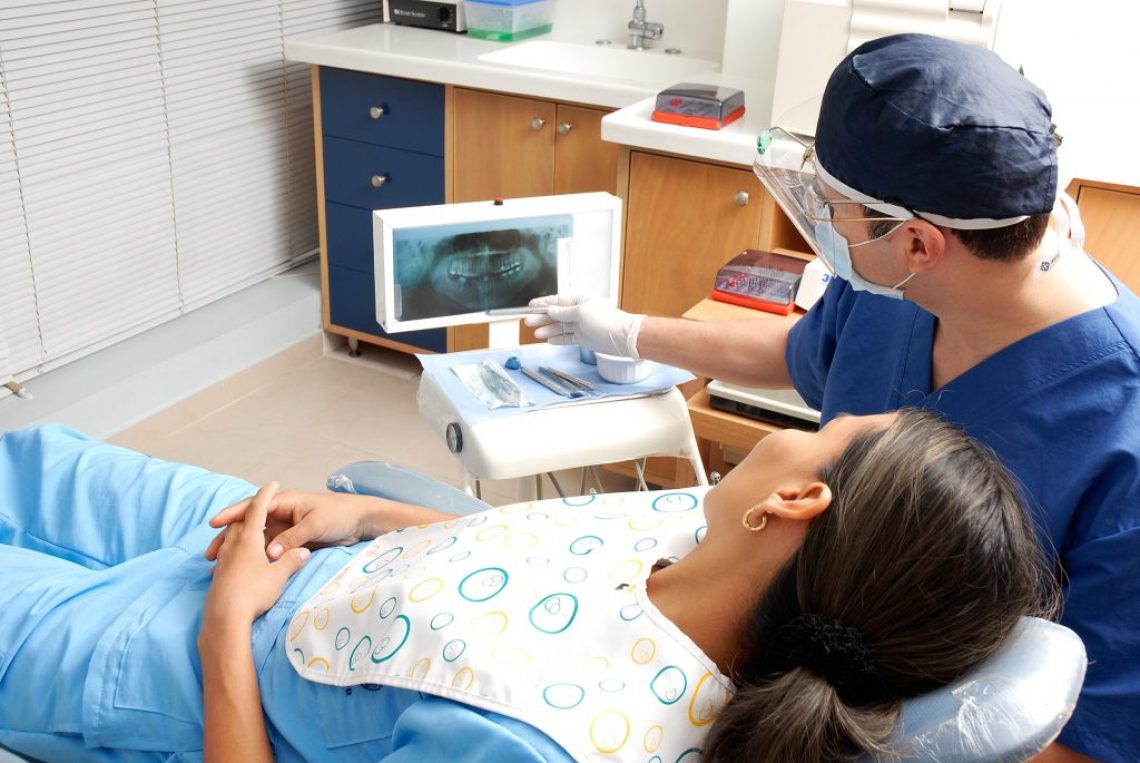
Once the first tooth emerges, it’s time to schedule your child’s first dental visit, which should occur by their first birthday. Early dental visits help detect potential problems and get your child used to the dentist, making future visits less intimidating.
When teeth begin to appear, brush them twice a day using a small, soft-bristled toothbrush and a tiny amount of fluoride toothpaste, about the size of a grain of rice. As your child grows, you can increase the amount of toothpaste to a pea-sized amount. Supervise brushing until your child can do it independently, usually around age six. This supervision ensures that they are brushing effectively and not swallowing toothpaste.
In addition, you should start flossing your child’s teeth once they have two teeth that touch. Use child-friendly floss picks if they find regular floss difficult to handle, making the process easier for them.
Diet And Its Impact On Oral Health
A balanced diet is crucial for healthy teeth. Limiting sugary snacks and drinks is essential, as frequent consumption of sugary foods and drinks can lead to cavities. Encourage healthy snacks like fruits, vegetables, and cheese, which are not only nutritious but also less likely to cause tooth decay.
Drinking water, especially fluoridated water, helps wash away food particles and bacteria, promoting oral health. So encourage your child to drink water after meals and snacks to help clean their teeth naturally.
It’s also important to avoid bedtime bottles filled with milk or juice, as these can cause tooth decay. The sugars in these drinks can linger on your child’s teeth overnight, leading to the development of cavities. If your child needs a bottle at bedtime, fill it with water to prevent this issue.
By making these dietary adjustments, you can significantly reduce the risk of cavities and promote healthier teeth for your child.
Common Dental Issues In Children
Understanding common dental issues in children can help you take proactive steps to prevent and address them.
Tooth decay is one of the most common issues and can be prevented through regular brushing, flossing, and dental check-ups. Teaching your child to avoid sugary foods and drinks also plays a crucial role in preventing cavities.
Thumb-sucking and dummy use are other common concerns. While these habits are normal in infants and toddlers, prolonged thumb-sucking and dummy use can affect the alignment of your child’s teeth and the shape of their mouth. Encouraging alternative comfort methods after age three can help mitigate these effects.
Teething is another phase that all babies go through, and it is often uncomfortable for them. Providing teething rings and cold washcloths to soothe sore gums can make this period more bearable for both you and your child.
Children are high in energy and prone to knocks and scrapes, which can make dental emergencies – such as a knocked-out tooth, for example – more likely. Knowing how to handle these situations is important, so keep your dentist’s contact information handy and seek prompt treatment to address any dental emergencies effectively.
By being aware of these common dental issues, you can take steps to prevent them and ensure your child’s oral health remains in good condition.
Making Dental Visits Positive
Regular dental visits are essential for maintaining oral health, and making these visits a positive experience for your child is crucial.
Start early by scheduling the first dental visit by age one. Early visits help acclimatise your child to the dentist’s office and can reduce anxiety about future visits. Speak positively about the dentist and avoid using words like “pain” or “hurt” where possible, but encourage your child to vocalise any fears or discomfort to help them feel safe.
Roleplaying at home can also help familiarise your child with what to expect during a dental visit. Pretend to be the dentist and patient, and use a toothbrush to “examine” their teeth. This game can make the actual trip to the dentist seem less intimidating.
Choosing a paediatric dentist is another great way to relieve a child’s dental anxiety. Paediatric dentists specialise in treating children and often have child-friendly offices with toys, books, and engaging décor.
You can also consider creating a reward system to help your child feel more enthusiastic about going to the dentist. Offering small rewards or praise after a successful visit can make your child more likely to look forward to future appointments.
The Role Of Fluoride And Sealants
Fluoride and dental sealants are fast, effective, and painless preventive measures to protect your child’s teeth from decay.
Fluoride strengthens tooth enamel, which is why your child’s dentist may recommend fluoride treatments during check-ups – especially if your local water supply contains low levels of fluoride.
Dental sealants can also significantly reduce the risk of cavities. Sealants are thin coatings applied to the chewing surfaces of molars, where food particles and bacteria can easily get trapped. Here, they create a protective barrier, preventing cavities from forming in these vulnerable areas. Sealants are especially beneficial for children with deep grooves in their teeth, which may be prone to decay.
By incorporating fluoride treatments and sealants into your child’s dental care routine, you can provide them with additional protection against cavities.
Good Habits Start Early!
Caring for your child’s teeth is an essential part of their overall health and wellbeing. By establishing good oral hygiene habits early, providing a balanced diet, and making dental visits a positive experience, you can help your child establish good dental hygiene from an early age.
Regular check-ups, preventive treatments like fluoride and sealants, and being proactive about addressing dental issues will help your child’s teeth remain strong and healthy as they grow. By taking just these simple few steps, you can help your child develop the habits and attitudes necessary for maintaining excellent oral health throughout their life.