
Dental appointments can be a hassle or even distressing for many people, but most of us know they’re necessary for maintaining a healthy smile.
But how often do you really need to visit the dentist? While many people grew up with the idea of seeing a dentist twice a year, the truth is, there’s no universal answer. Factors like age, overall health, and individual risk levels play a huge role in determining the ideal frequency of dental visits.
In this article, we’ll break down the basics of why regular check-ups matter, what can influence how often you should go, and how you can work with your dentist to develop a schedule that’s tailored to you. So, let’s set aside the “one-size-fits-all” approach and explore what’s actually best for your teeth and gums.
Why Regular Dental Check-Ups Matter
You may be wondering, why bother going to the dentist at all if your teeth feel fine? While it’s tempting to skip appointments when you don’t have any noticeable issues, dental check-ups are about prevention. Dentists and hygienists are trained to spot problems early, long before you might feel any discomfort. Detecting issues in their early stages often means easier, less invasive treatments and, ultimately, a healthier mouth.
A typical check-up includes a close inspection of your teeth, gums, and mouth to look for signs of decay, gum disease, and other potential concerns. Your dentist might also take X-rays to see what’s happening beneath the surface. Even if you’re fastidious about your oral hygiene, there are areas in the mouth that are hard to clean properly, so a professional check-up can ensure nothing gets missed.
Regular check-ups also give you a chance to ask questions and get personalised advice on your dental routine. You might find that a simple tweak—like changing your toothbrush or altering your brushing technique—could make a significant difference to your dental health.
The Traditional “Twice A Year” Rule
For decades, the standard advice was to visit the dentist every six months. This recommendation came about as a general guideline, and for many people, it’s served as a decent rule of thumb. Biannual visits allow for thorough cleaning and give your dentist a chance to catch any developing issues in their early stages.
However, more recent thinking suggests that this twice-a-year schedule might not be necessary for everyone. Just as healthcare has moved towards a more personalised approach, dental care has started considering individual risk factors. For some people, annual visits may be sufficient, while others might benefit from more frequent appointments.
Factors That Affect How Often You Should Go
Let’s look at some of the factors that can influence how often you should see your dentist.
Age: Children and older adults often need to visit the dentist more frequently than young to middle-aged adults.
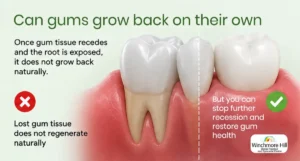
Children’s teeth are still developing, and they’re more prone to decay, so regular check-ups help monitor growth and catch any issues early. Older adults, on the other hand, may experience issues such as gum recession, dry mouth, or wear on their teeth, which may require extra attention.
Oral Health History: If you have a history of dental problems—such as frequent cavities, gum disease, or tooth sensitivity—you’ll likely need to see your dentist more often. For example, people with a history of gum disease might benefit from quarterly cleanings to prevent further progression.
Overall Health: Your physical health can directly impact your oral health. Conditions like diabetes and autoimmune disorders can increase the risk of gum disease and other dental problems, so if you have such a condition, more frequent visits might be beneficial.
Additionally, people who smoke or drink heavily are at a higher risk of developing dental issues and should consider more regular check-ups.
Pregnancy: Pregnancy can have surprising effects on dental health. Hormonal changes can increase the risk of gum disease, known as “pregnancy gingivitis.” Pregnant women should be particularly mindful of their oral health and might benefit from an extra check-up during this period.
Lifestyle Choices: If you’re someone who enjoys sweets or acidic foods, or if you grind your teeth, these habits can impact your dental health and might warrant more frequent visits.
Similarly, high stress levels that lead to teeth grinding (bruxism) can also mean more frequent checks to prevent damage.
When Once A Year Might Be Enough
For some people, an annual visit to the dentist might be sufficient.
If you’re a non-smoker with excellent oral hygiene habits, no history of dental issues, and no underlying health conditions, you may be able to get away with just one check-up per year.
However, this is something to discuss with your dentist rather than deciding on your own. An honest conversation about your lifestyle, habits, and health can help you determine whether once a year will be adequate.
Signs You Might Need An Extra Appointment
Regardless of your regular schedule, there are times when it’s wise to see the dentist sooner rather than later. Watch out for signs like persistent bad breath, bleeding gums, tooth sensitivity, or pain. These can be indicators of underlying issues that shouldn’t wait for your next routine appointment.
It’s also a good idea to book a check-up if you’ve had recent changes in your health that could affect your teeth – such as starting new medication that causes dry mouth, or experiencing increased stress levels, which might lead to clenching or grinding.
Making A Plan With Your Dentist
So, how often should you go? The answer lies in finding a routine that works for you. Start by discussing your needs with your dentist, who can assess your individual risk factors and help tailor a plan. Some practices now use tools to calculate “risk-based” schedules, taking into account factors like age, dental history, and lifestyle habits.
A personalised plan not only saves you time and money by avoiding unnecessary visits but also ensures you get the care you actually need. And if you’re someone who tends to avoid the dentist, having a customised plan can be a bit more encouraging—you’ll know you’re getting the right amount of care without overdoing it.
Consider Your Personal Dental Needs
There’s no one-size-fits-all answer to how often you should see the dentist. While the twice-a-year rule works for some, others may need more or less frequent visits.
By considering factors like age, oral health history, and lifestyle, and working with your dentist to create a personalised plan, you can find a schedule that keeps your teeth and gums in top condition without overcommitting to appointments.
A little planning and consistency go a long way in preventing problems and ensuring your smile stays healthy for years to come. So, next time you’re wondering if it’s time for a check-up, consider what’s best for you—and don’t hesitate to reach out to your dentist for guidance.