
The difference between a dental hygienist and a dentist comes down to training, authority, and the type of care they provide. Dentists fix problems like cavities, infections, and damaged teeth. Dental hygienists work to stop those problems building up in the first place. Both play essential roles in protecting your smile, but they are not interchangeable. If you mix the two up, you either delay treatment or skip prevention both usually end up costing more later. This guide explains the 10 key differences between a dental hygienist and a dentist so you always know who to see, when to book, and what level of treatment to expect.
In the UK, this matters more than people think. Around 31% of adults have tooth decay and about 45% deal with gum disease, so knowing who to book with actually saves you time, money, and stress.
1. Role and Responsibility
A dental hygienist focuses on prevention. You’ll see them for cleaning, gum care, and advice on keeping your teeth healthy day to day. They remove plaque and tartar that brushing alone can’t handle and help you avoid bigger issues later.
A dentist focuses on diagnosis and treatment. They deal with problems once they appear fillings, infections, broken teeth, and more complex conditions.
One keeps things stable. The other fixes what’s already gone wrong.
2. Level of Training and Education
Hygienists train for around 2–3 years. It’s hands-on, focused on cleaning, gum care, and dealing with patients properly.
Dentists go through about 5 years of dental surgery training, then clinical work on top. Way more depth. Diagnosis, treatment planning, surgery.
That gap shows in real life. It’s also why dentists earn more around £54,000 on average, while hygienists sit closer to £29,000.
3. Ability to Diagnose Conditions
A hygienist will spot something off pretty quickly. Bleeding gums, unusual buildup, signs your gums aren’t healthy. They’ll tell you straight.
But they don’t diagnose.
Dentists do. They confirm what’s actually going on, check X-rays, and decide what treatment you need. That line isn’t just about skill it’s a legal boundary. So the dentists are legally authorised to diagnose cavities, gum disease, infections, and oral cancer.
4. Types of Treatments Provided
Dental hygienist treatments include:
Teeth cleaning
Plaque and tartar removal
Fluoride treatments
Gum health monitoring
Dentist treatments include:
Fillings and crowns
Root canal treatment
Extractions and implants
Cosmetic dentistry
5. Legal Authority and Regulation
Dental hygienists operate under a limited scope of practice defined by regulatory bodies.
Dentists hold full legal authority over dental diagnosis and treatment.
6. Prescribing Power
Hygienists don’t prescribe anything. No antibiotics, no pain relief.
Dentists can. That matters when infection kicks in or after a procedure where you actually need medication to recover properly.
7. Procedures and Treatments
Hygienists stick to non-invasive work:
- scale and polish
- fluoride treatments
- deep cleaning around gums
- advice you probably ignore until they point it out again
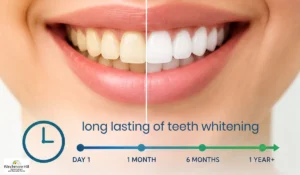
- some whitening (if supervised)
Dentists handle the heavy stuff:
8. Cost of Services
Hygienist appointments are generally lower cost.
Dentist appointments vary based on treatment complexity.
| Service | Average Cost |
|---|---|
| Hygiene cleaning | £50 to £80 |
| Dental check-up | £40 to £70 |
| Filling | £90 to £180 |
| Crown | £500+ |
9. Patient Purpose
See a dental hygienist for maintenance and prevention.
See a dentist for pain, damage, or cosmetic improvement.
10. Scope of Practice
Dental hygienists work within a narrow preventive role.
Dentists control the full scope of oral healthcare.
FAQ: Dental Hygienist vs Dentist
Yes. Dentists complete longer and more advanced medical training.
Yes, but they must refer you to a dentist for diagnosis.
Yes. Only dentists provide full clinical treatment.
Some clinics allow whitening under dentist supervision.
Hygienists manage early stages. Dentists treat advanced cases.
Yes. Preventive care costs less than restorative treatment.
No. Only dentists can perform restorative work.
Yes, if qualified and authorised.
Why Choose Winchmore Hill Dental Practice
Winchmore Hill Dental Practice provides both expert dentists and highly trained dental hygienists under one roof. This allows patients to receive complete care covering all 10 key differences in one clinic.
Our advantages include:
Modern technology
Direct access hygiene appointments
Transparent pricing
Personalised care plans
Highly experienced clinical team
Book Your Appointment Today
Not sure which of the 10 differences applies to you? Our team will guide you to the right professional. Book your appointment with Winchmore Hill Dental Practice today and take the first step toward a healthier, more confident smile.