Do you regularly brush, floss, and use mouthwash, avoid sugary foods and drinks, but find that your teeth have deteriorated every time you go to the dentist? This experience can be frustrating, and it can be hard to establish what you need to do to keep your teeth in good condition. You may leave the dentist’s chair feeling as though no matter what you do, your teeth just aren’t responding to any of your efforts.
But what you may not realise is that your daily habits can be contributing to tooth decay. Those little things can be easily overlooked, but will make a big difference to the condition of your teeth.
In this article, we will explore some common habits that contribute to tooth decay, chips, and cracks, and how you can work on eliminating those habits for better oral health.
1. Smoking
We all know that smoking is bad for our bodies, but many of us overlook the effect smoking has on our oral health. Smoking doesn’t just damage your lungs – it affects your teeth, mouth, and gums too.
From yellowing teeth to gum disease and even mouth cancer, smoking can cause serious harm to your oral health.
Smoking increases the amount of bacterial plaque in your mouth, raising your risk of developing a gum infection. At the same time, smoking also weakens your immune system. The result? If you develop a gum infection, your body is less able to fight off the disease, increasing your risk of gum disease and other related health issues.
The chemicals contained in tobacco products also cause genetic changes in the cells of your gums, tongue, mouth, and throat, making you more susceptible to mouth and throat cancers. And as if that weren’t enough of a reason to quit, tobacco smoke also stains your teeth yellow, causing them to look unhygienic and unattractive.
With a wide range of quitting aids and medical advice now available, there’s never been a better time to quit smoking. Discuss your smoking habits with a dental professional today and make the change for a healthier lifestyle.
2. Excessive Drinking
Alcohol damages your teeth in several ways. Firstly, alcohol has a high sugar content, which feeds bacteria in your mouth, leading to dental plaque. Like tobacco, it also weakens your immune system, making it more difficult for your body to fight off gum infections. Alcoholic drinks are also acidic, which wears away the enamel of your teeth, causing tooth decay.
And if you think it’s only tobacco that causes mouth cancer, think again. Alcoholic drinks cause the cells in your mouth to dehydrate, making it easier for chemicals to permeate the cell walls, and increasing your risk of mouth cancer. In fact, people who both smoke and drink alcohol are up to 30x more likely to develop mouth cancer.
Alcoholism is a serious disease and can cause damage across the whole of your body, including your kidneys, liver, and your teeth. Alcoholism is often caused by underlying mental health issues, such as depression, anxiety, and trauma. If you are affected by alcoholism, or you are concerned about your level of drinking, help is available.
You can get help to reduce or quit drinking by speaking to a medical professional or find advice and support at drinkaware.co.uk.
3. Binge Eating Disorder And Bulimia
Do you find that you experience periods of time where you lose control of your eating, with the result of abdominal discomfort and shame surrounding your body? You may find that you compensate for these behaviours by inducing vomiting or overexercising.
If so, you may be suffering from an eating disorder.
NHS research shows that up to 6.4% of UK adults show signs of an eating disorder, with binge eating accounting for up to 22% of all eating disorder cases, followed by bulimia nervosa at 19%.
When you binge eat, you consume excessive amounts of sugar, which feeds the bacteria in your mouth, leading to high levels of dental plaque and tooth decay. If you then purge by inducing vomiting, this increases the damage to your teeth through acid erosion from the stomach acids expelled from your mouth.
Binge eating disorder and bulimia are commonly caused by underlying mental health issues, such as depression, anxiety, and emotional dysregulation issues. Both eating disorders can cause serious health issues, which can be life-threatening.
Binge eating disorder can also cause obesity and related health issues, such as sleep apnoea, increased risk of cancer, heart disease, high blood pressure, type 2 diabetes, and arthritis. Bulimia nervosa is especially dangerous and can lead to dehydration, electrolyte imbalances, heart conditions, low blood pressure, increased risk of mouth and throat cancers, acid reflux, and acid damage to your lungs and oesophagus.
4. Grinding Your Teeth
Grinding your teeth, also known as bruxism, is a common habit that can lead to tooth erosion over time – and you may not even be aware that you’re doing it!
Tooth grinding often occurs at night when you’re asleep, making it difficult to overcome. It can be an unconscious reaction to feelings of anxiety, stress, prescription medication or drug abuse, or simply a habit that you have developed over time, by for example, chewing gum regularly during the day.
To reduce damage from bruxism, you can wear a mouth guard overnight to protect your teeth from erosion. Quitting drugs and alcohol will also reduce your tendency to grind your teeth by relieving tension in the jaw.
Stress-reduction exercises such as yoga, meditation and breathing techniques can also help you to relieve feelings of anxiety that may be contributing to your bruxism.
5. Biting On Non-Food Items
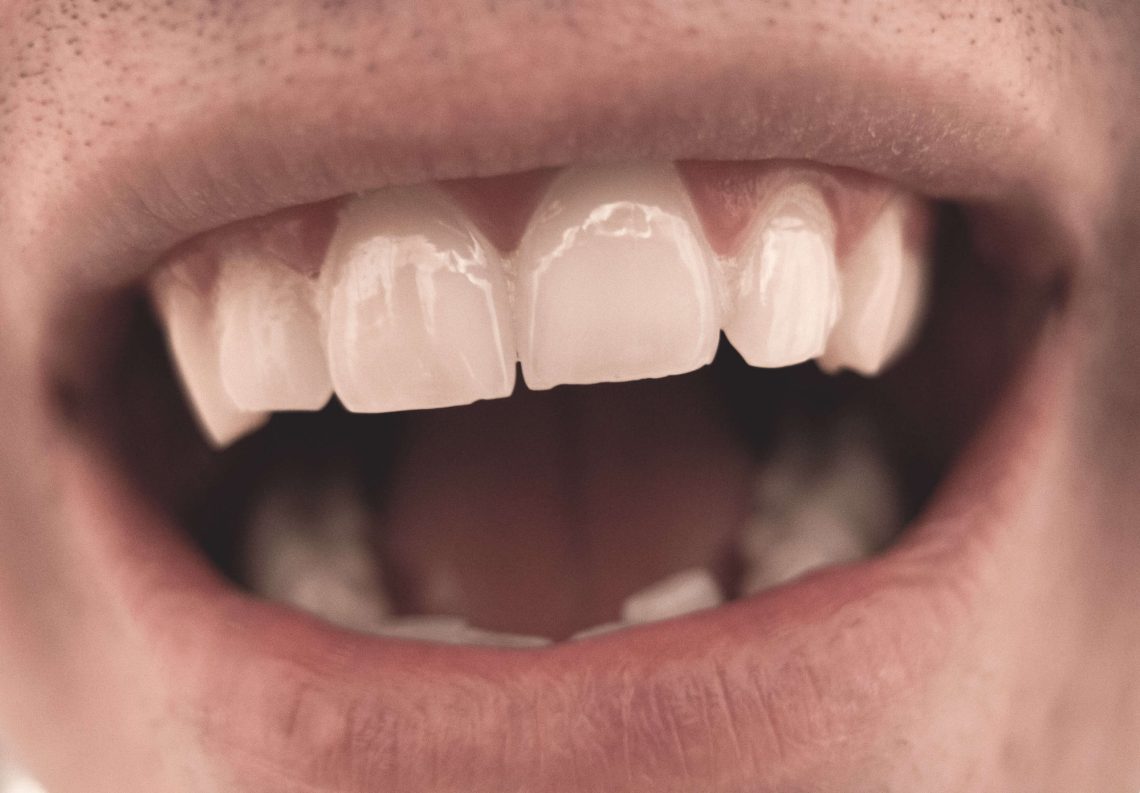
Biting on non-food items, such as stationary, or using your teeth to open packets of food can cause your teeth to chip and crack, which can allow bacteria to penetrate the enamel. Not only will this cause a chip or crack in your tooth, but it can also lead to tooth decay.
If you have a tendency to chew your stationary, you can consider switching to chewing gum. Gum increases the saliva in your mouth, forming a protective shield against bacteria. And if you use your teeth to open packets and bottles, make sure you always have a pair of scissors and a bottle opener handy.
Remember, use your teeth for food only!